Vitalsphere
Digital
Healthcare Software Developer
Presents
Top 5 HIPAA-Compliant Software Mistakes to Avoid
“Building healthcare software goes beyond basic software development. One overlooked detail and you're not just shipping bugs, you're risking a HIPAA violation, a breach notification, your patients' security, and your organization's reputation.
In the age of AI, that risk has gone up, not down.”

Mistake 1Skipping the Planning Step
Teams that jump straight into building, often using AI tools to move fast, discover halfway through that nobody mapped where PHI actually flows through the system.
AI can write code quickly, but it doesn't know your compliance obligations unless someone tells it, and by then the architecture is already set. We start every project by scoping data flows, access controls, and compliance requirements before a single line of code, AI-assisted or otherwise, gets written.

Mistake 2Under-Testing Before Launch
Rushed testing is how bugs, and compliance gaps, make it into production. A project can look complete and pass a quick smoke test while still missing the access control or logging behavior that HIPAA actually requires.
We test at every stage of development, not just at the end, including the scenarios that matter most in healthcare: access control failures, audit log gaps, and data handling errors.

Mistake 3Ignoring Scalability
Patient portals and clinical tools that work fine in a demo can buckle once real patient volume hits, and AI-generated prototypes are especially prone to this since they're often built to look finished rather than to hold up under load.
If your team designs for growth from day one like we do, your platform will hold up under real-world use.

Mistake 4Treating Security as an Afterthought
This is the one that gets healthcare organizations in real trouble. Security in a HIPAA environment isn't a checkbox, it's encryption, access controls, audit trails, and ongoing testing built into the architecture itself.
It's also the mistake that's gotten more common, not less, as AI coding tools have taken over. Opsera's 2026 AI Coding Impact Benchmark Report found that AI-generated code introduces 15 to 18% more security vulnerabilities per line than human-written code. In a HIPAA context, these vulnerabilities aren’t just a bug ticket: they’re a potential PHI exposure and a reportable breach.
Dev teams can use AI tools where they help, but every line touching patient data must go through human security review, not an AI's best guess at "secure enough."
Mistake 5Building Something That Can't Be Maintained (or Audited)
A HIPAA-compliant application isn't a one-time build. It needs to hold up under audits, evolve with changing regulations, and stay maintainable for years. This is where AI-generated code creates a hidden trap: it ships fast, but again, Opsera's research found it requires 15 to 25 percentage points of rework. In a regulated environment, a cluttered codebase isn't just inconvenient. It's a compliance liability waiting to surface during the next audit.
Human review here again is essential, and something we pride ourselves in: we build code to be maintained, documented, and audited over the long haul.

Bonus MistakeBuilding in a Vacuum
Software that ignores clinician and patient feedback ends up unused or worked around, which creates its own compliance risks (shadow IT, workarounds involving unsecured tools, staff pasting patient data into consumer AI chatbots to get a task done).
Our team uses feedback loops throughout development so the final product actually fits how your staff and patients work, instead of pushing them toward risky workarounds.

In healthcare software, the cheapest-looking shortcut is usually the one that costs you a breach notification later.
We build HIPAA-compliant applications the right way: planned, tested, scalable, genuinely secure, and maintainable for the long haul.
Ready to build something that won't put your compliance at risk? Let's talk.
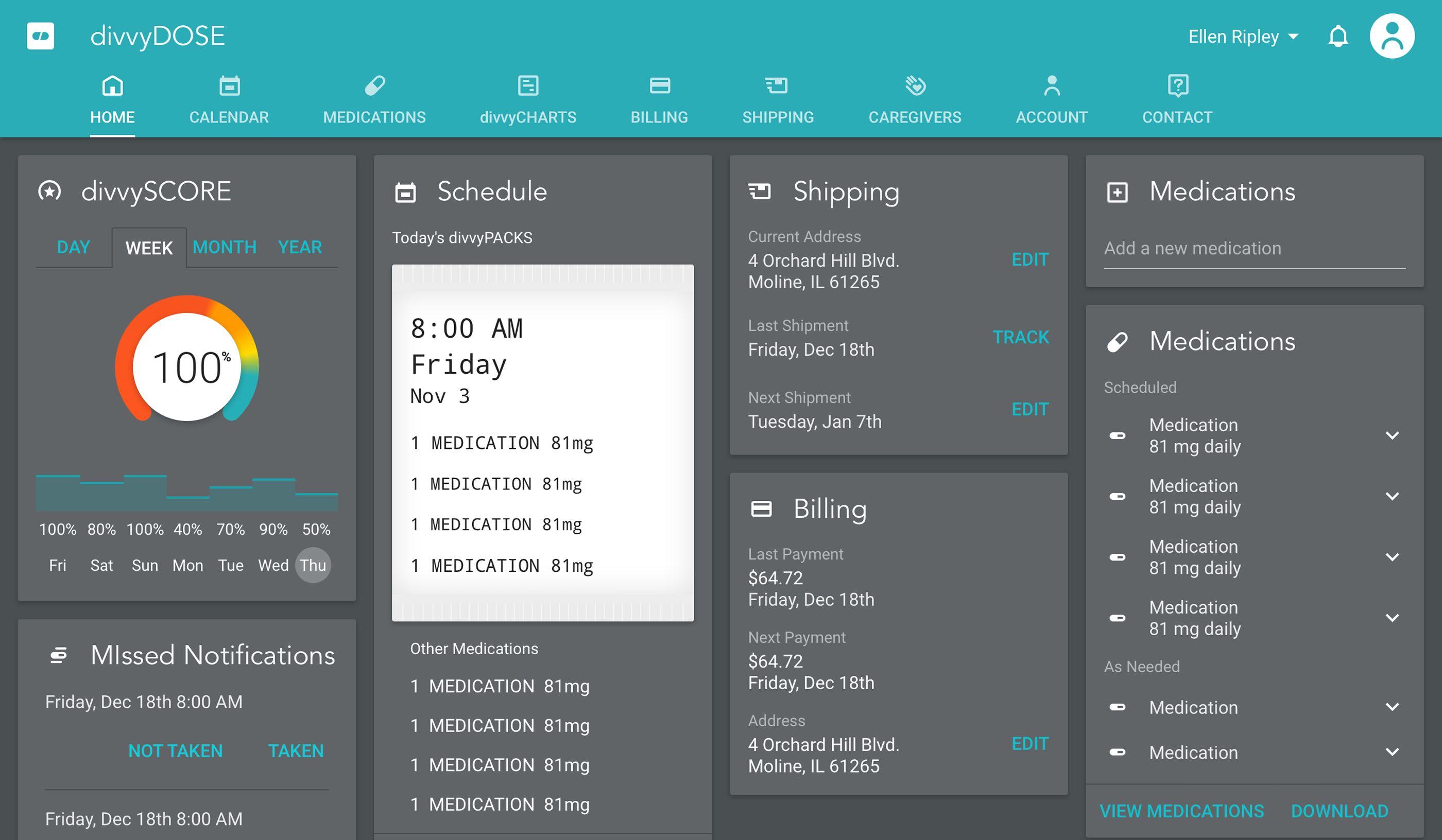
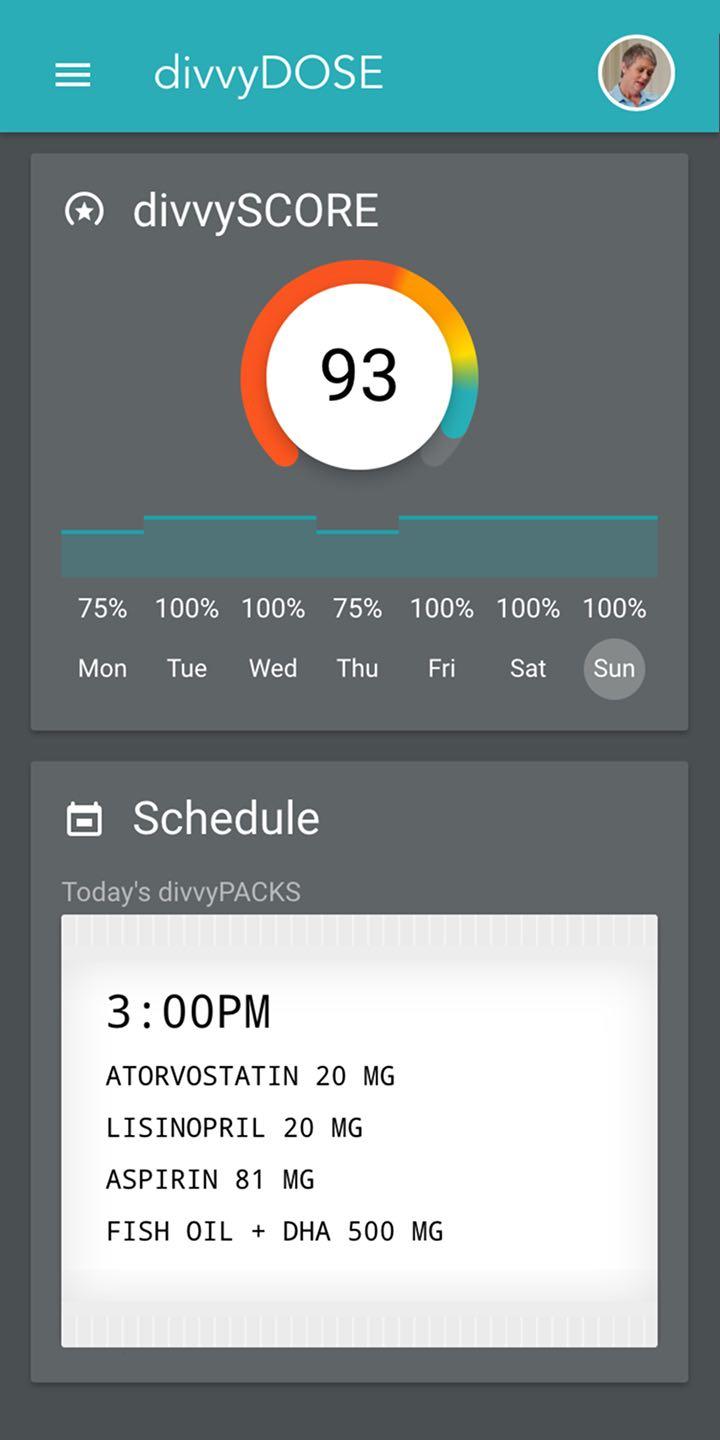
Case StudydivvyDOSE: A Full-service Online Pharmacy
Remembering when to take which pill takes its toll, and accidentally missing a dose or taking one at the wrong time can cause adverse drug reactions, hospitalizations, and ER visits, leading to an estimated $1.3 billion in avoidable U.S. medical expenses each year.
divvyDOSE partnered with us to improve the lives and health of patients who take multiple meds, giving them and their caregivers peace of mind.